
Personal Blogs
- Details
- Ryan Vicino, Class of 2020
- Hits: 18775

The Hicksville Gregory Museum is a vital piece of Long Island public history, located at 1 Heitz Place right off Woodbury Road. This museum was constructed in 1895 and originally served as a courthouse with multiple jail cells and a village hall for the local community. Currently, the Gregory Museum houses Long Island’s largest rock and mineral collection, as well as a multitude of fossils and exhibits that are consistently rotated on other topics related to both local and world history. Being Long Island’s only museum focused on Earth Science, it is necessary that these exhibits remain open to the public so that future generations may experience the excitement of studying our past!
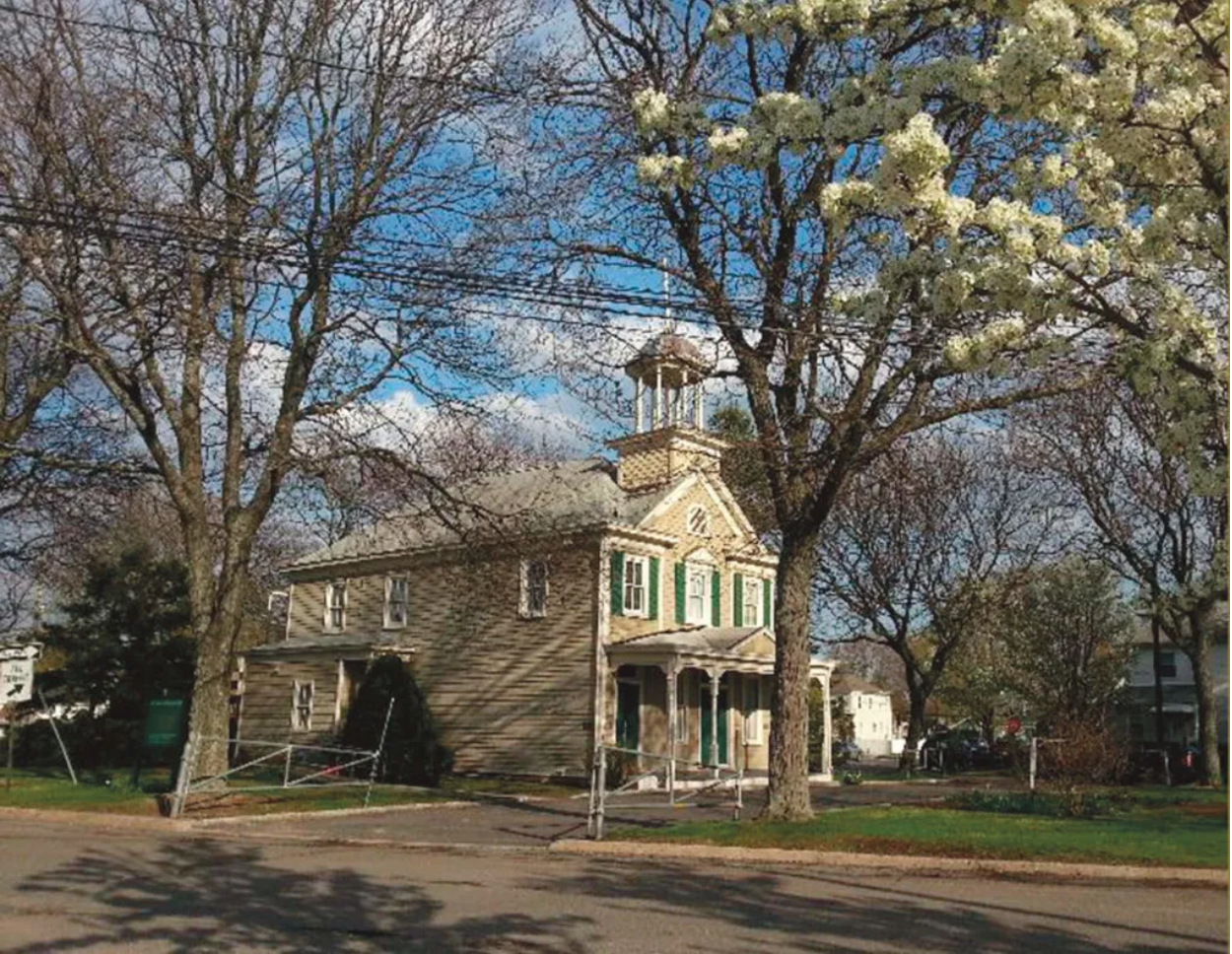 Exterior snapshot of the Hicksville Gregory Museum.
Courtesy of the LI Press
- Details
- Ryan Vicino, Class of 2020
- Hits: 14770
Did you know that Long Island wasn’t always the bustling suburbia that it is today? The ‘Great Plains’ of Long Island once covered over 50 thousand acres of land with tall grasses and many endangered species, from Garden City to Levittown, to East Meadow, and even Hicksville! This land was the home to many rare, Long Island native species, such as the beautiful Sandplain Gerardia flowers flouting their bright pink petals, and the elusive Frosted Elfin butterflies. Unfortunately, most of the ‘Great Plains’ has shrunken over time, with the Hempstead Plains Preserve remaining as one of the only places on the island where you can still experience the plain's beauty. This property, managed by the Friends of Hempstead Plains, is the largest remaining area of the ‘Great Plains’ on Long Island, and is located directly next to Nassau Community College.
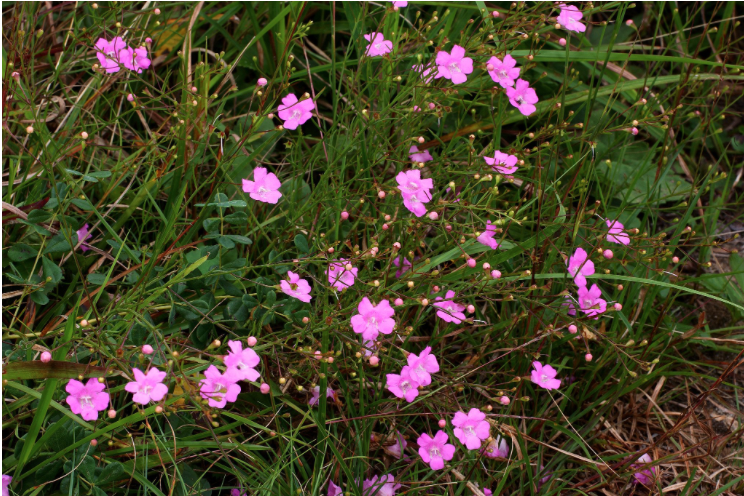 Blooming of the endangered Sandplain Gerardia at Hempstead Plains Preserve. (Friends of Hempstead Plains)
Click here to continue reading The Last of Long Island's ‘Great Plains’
- Details
- Bruce Scherzinger
- Hits: 28260

Hi everyone,
I'm Bruce Scherzinger, the current webmaster for hixnews.com. Maybe you've been curious just how I became affiliated with this newsletter and website. Well, there's definitely a story there.
- Details
- Ryan Vicino, Class of 2020
- Hits: 17760
Many of us have probably passed the brown brick buildings and tall smoke stacks on S. Broadway while on the way to the gym, or to grab a bite to eat at McDonald’s. However, few understand these buildings' history and impact on our community. In 1936, Grumman and the US Navy would go on to create these facilities for different testing and research applications of aerospace technology. Throughout World War II and the Korean War, these facilities would create pivotal aircraft such as the Hellcat, Tigercat, and Albatross. Over 17,000 aircraft were produced by Grumman in Bethpage, making it a key facility for the military. These aircraft were vital in supporting US ground forces in both wars, objectively strengthening the power of our military tenfold and giving us true “air superiority”. The Bethpage Grumman facilities were also the creators of the Apollo Lunar Module, which would go on to complete the Apollo 11 Space Mission on July 20th, 1969. While it is said that this location would only house roughly 800 workers prior to the kickoff of WWII, by the peak of the war, this facility would reach upwards of 25,000 employees, leading to a major influx of jobs in the local community. In fact, the Apollo Lunar Module project required 9,000 employees alone! However, many would soon come to realize that the Grumman facilities were undeniably destroying the Island around them.
Click here to continue reading "A Toxic Dropkick"- LI's Grumman Facilities Impact on Our Land