
 by Ryan Vicino, Class of 2020
Richard Allan Kasso Jr., known as “Ricky” to close friends and family, was a Long Island local born in Huntington on March 29, 1967. Described as a troubled teenager, Richard would often be found in the town of Northport throughout his youth as a drugged-up young man who survived living in the streets with a local marijuana dealer group known as the “Knights of the Black Circle”, despite his father's role as a local football coach at Cold Spring Harbor High School. Richard had left his home for a rougher life at around the age of 15, despite both parents attempting to admit him into psychiatric care and drug rehabilitation.
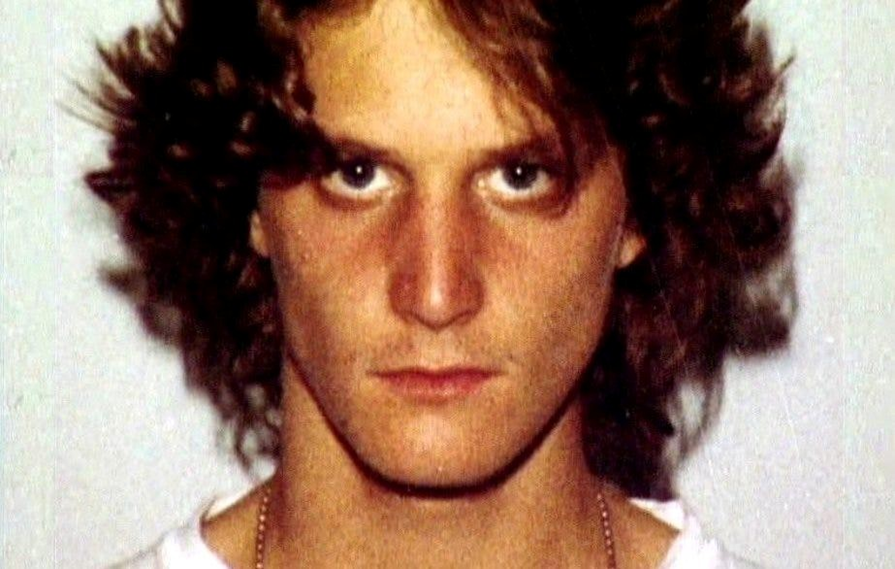 Richard Allan Kasso Jr. (Courtesy of SCPD)
Roughly two years after this decision, Richard Kasso Jr. would go on to murder his 17-year-old friend, Gary Lauwers, over claims of him stealing Richard’s PCP. Richard had lured Gary Lauwers into the nearby Azatakea Woods in order to get high, along with friends Jimmy Troiano and Albert Quiñones. However, this small “party” would soon take a turn for the worse, as Richard confronted Gary Lauwers about the suspected PCP he had stolen at an earlier date. Upon this confrontation, Richard would assault Gary, beating him, biting him, and eventually stabbing him up to a total of 36 times, leading to Gary’s death.
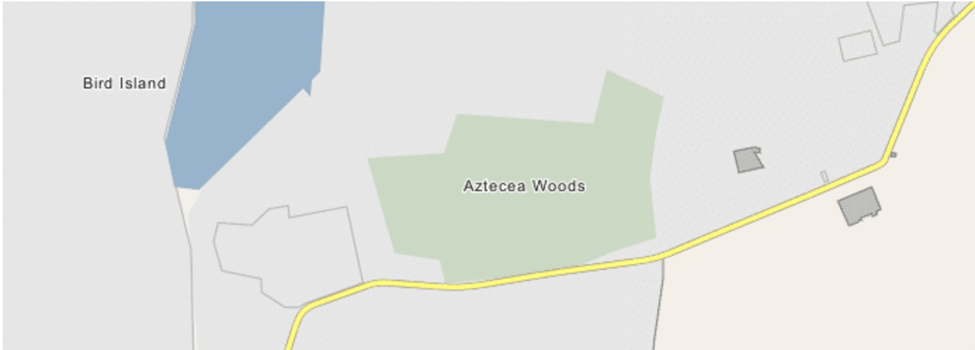 Former Site of Aztecea Woods (Wikimapia, 2010)
Friend Albert Quiñones would later go on to state that Jimmy Troiano also helped with the murder, but he was never convicted of this crime. Ricky Kasso would eventually be arrested for the murder on July 5, 1984, and would be arraigned on July 6th. Throughout the trial, it would be discovered that Richard Kasso reportedly told Gary Lauwers to “Say you love Satan”. It was also uncovered that Richard had bragged about the murder to his friends, saying he saw a vision of Satan soon after the murder, assuring his approval of the act. He would even go on to show fellow teenagers of the local area the makeshift burial ground of Gary Lauwers, until moving the body with Troiano into a nearby shallow grave. One day after his arraignment, Richard Allan Kasso Jr. would commit suicide by hanging within his own jail cell. Since the public caught wind of Ricky’s story, there has been a major impact on pop culture and social media.
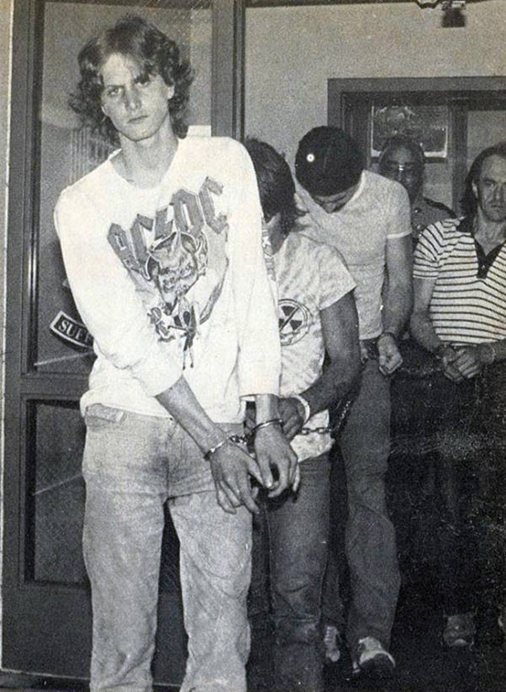 Richard Kasso Jr. and Jimmy Troiano on the day of their arrest. “Ricky” is seen in a white AC/DC shirt.
(Public Domain, SCPD)Initially, the murder case of Gary Lauwers would play a major role in influencing the media’s perception of rising youth activities, such as listening to emerging music genres like heavy metal. When Richard was arrested on July 5, 1984, initial arrest photographs shown to the public portrayed 17 year old “Ricky” sporting a white, long-sleeve shirt donning an AC/DC logo across the front.
Due to these photographs, many local media outlets would rush in to use these as evidence of a rising “Satanic Panic” occurring across the United States. The “Satanic Panic” was a widespread belief throughout the 1980s and early 1990s that youth culture was driving young men and women to join Satanic cults and participate in illegal or illicit activities. Media outlets would further harp on this ideology by making false claims to the public that the "Knights of the Black Circle” drug dealer group Richard was a part of was a cult itself, supporting him in the murder of Gary Lauwers. Press would later go on to give Richard Kasso the nickname of “Acid King”, in a pure attempt to further incite panic in local suburban areas that the youth was organizing Satanic cults in their neighborhoods. Relevant papers today, such as The New York Post, The New York Times, and Rolling Stone had even published their own independent articles on Richard Kasso Jr. and the murder case throughout the 1980s.
While it is hard to see any outcome of this murder case as anything short of tragic, it is also important to take note of the media history that was produced prior to the “Satanic Panic”, specifically from the turn of the new millennium.
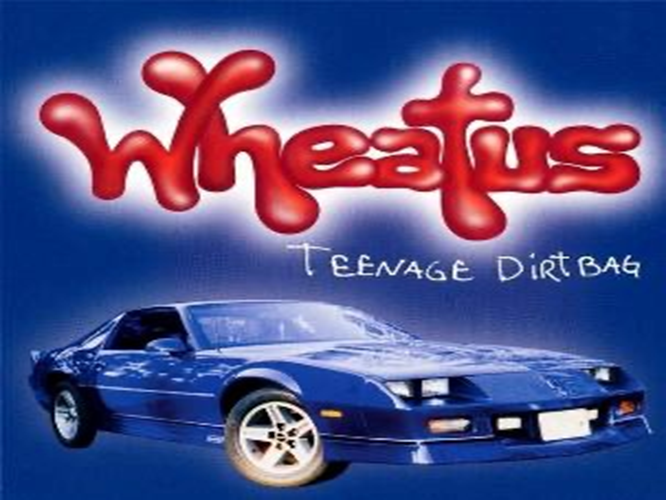 Wheatus’ “Teenage Dirtbag”, inspired by Richard Kasso Jr.’s story (Wheatus, 2000)In the summer of 2000, alternative rock band Wheatus released their first hit single, titled “Teenage Dirtbag”, as the lead single for their debut album “Wheatus”.
Garnering global success, the song soon ranked No. 1 in Australia that year and reached No. 7 on the Modern Rock Tracks chart. However, not many listening to their favorite song of the summer knew that the true inspiration of this track stemmed from the case of Gary Lauwers' murder. Singer, guitarist, and songwriter for the band Wheatus, Brendan B. Brown was 10 years old at the time of the murder, and lived on the same block as Richard Allan Kasso Jr. throughout his childhood. In a 2024 interview with VICE News, Brown would reveal that he had read Rolling Stone’s article on the case soon after Richard’s arrest, which specifically referred to the troubled teenager as a “dirt-bag”. With the resulting rise of the “Satanic Panic” movement, Brown stated that he found himself in a rough spot throughout his childhood, being someone who enjoyed listening to artists such as AC/DC, the same band that was photographed on Richard’s shirt on the day of his arrest. While this is the most prominent example of musical history inspired by this case throughout the 2000s, there are numerous other tracks with similar origin stories. Examples include Aesop Rock’s “Catacomb Kids” (2007), Nü Sensae’s “Cat’s Cradle” (2010), and Malibu Ken’s “Acid King”(2018). It is clear that the story of Richard Kasso has had an enduring impact on the media produced today.
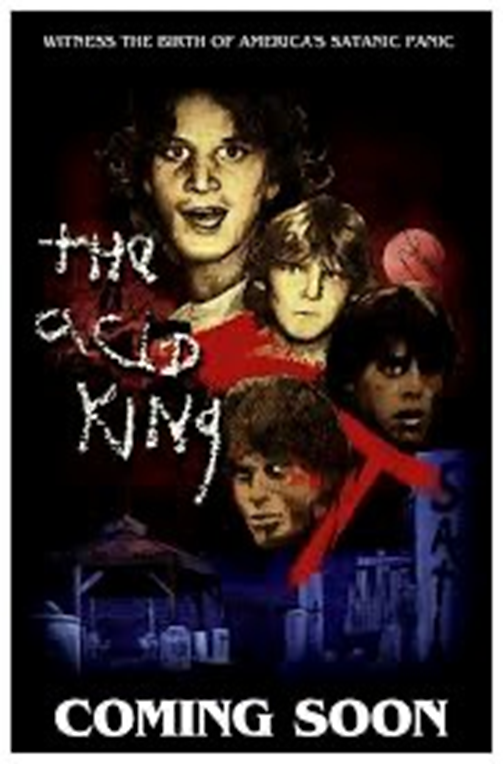 Advertisement Poster for Netflix’s 2019 film “The Acid King”
(Courtesy of Netflix)Remnants of media inspiration stemming from this story can still be found today. As recently as 2019, popular streaming service Netflix published a documentary titled “The Acid King”, even including Wheatus member Brendan B. Brown in a portion of the film. These sources of media history help entrench the story of Richard Allan Kasso Jr. into the past, providing us with a more “light-hearted” insight to the saddening murder of Gary Lauwers and the resulting “Satanic Panic” movement across the country. Without these sources of history, it would be very difficult for many current Long Island residents to be able to fathom the possibility of a homeless teenager on the streets of Northport causing a national outburst against youth culture.